Mold Remediation Safety: What Voorhees Homeowners Need to Know
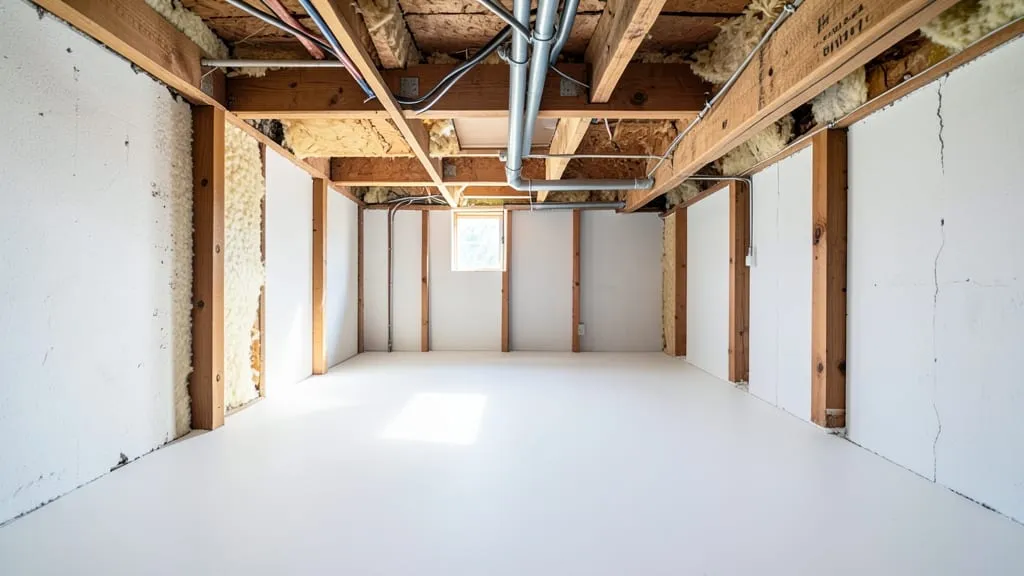
Mold remediation in Voorhees isn’t just about removing visible growth—it’s about doing it safely to prevent health risks and further contamination. Homeowners often underestimate the hazards of disturbed mold spores or improper containment. Understanding the process and precautions can make the difference between a one-time fix and a recurring nightmare.
Why Mold Remediation Safety Matters in South Jersey Homes
Voorhees’ humid summers and wet springs create ideal conditions for mold growth in basements, crawl spaces, and attics. Disturbing mold without proper precautions can release spores into the air, worsening indoor air quality.
Mycotoxins from certain molds, like Stachybotrys (black mold), can trigger respiratory issues, allergies, or more severe health effects. Vulnerable individuals—children, the elderly, or those with compromised immune systems—are at higher risk.
Improper remediation can also spread contamination to previously clean areas. Cross-contamination often occurs when spores hitch a ride on clothing, tools, or HVAC systems.
Key Safety Hazards During Mold Removal
Inhalation is the primary risk. Without containment, mold spores become airborne, increasing exposure. Even dead spores can cause reactions if inhaled.
Skin contact with mold or cleaning chemicals can cause irritation or allergic reactions. Gloves, long sleeves, and eye protection are non-negotiable for anyone handling contaminated materials.
Structural risks exist too. Mold often grows on water-damaged wood or drywall, which may be unstable. In areas like Cherry Hill or Gibbsboro, older homes may also harbor asbestos in insulation or flooring, requiring separate testing before remediation.
Asbestos and mold often coexist in older homes. Always test for asbestos before disturbing materials like insulation, tile, or drywall in pre-1980s properties.
Essential Safety Equipment for Mold Remediation
A full-face respirator with P100 or N95 filters is the minimum for protection against airborne spores. Half-mask respirators don’t provide enough coverage for prolonged exposure.
Disposable coveralls, shoe covers, and nitrile gloves prevent spores from clinging to clothing or skin. These should be removed and sealed in heavy-duty bags before leaving the work area.
Negative air pressure machines with HEPA filters are critical for containment. These devices pull air from the contaminated area, filter out spores, and vent clean air outside, preventing cross-contamination.
| Task | Minimum PPE | Additional Considerations |
|---|---|---|
| Small, contained areas (<10 sq ft) | N95 respirator, gloves, goggles | Disposable coveralls if sensitive |
| Medium areas (10-30 sq ft) | Half-face respirator (P100), full coveralls, shoe covers | Seal PPE in bags before removal |
| Large areas (>30 sq ft) or HVAC contamination | Full-face respirator, Tyvek suit, double gloves | Negative air pressure + HEPA air scrubbers |
| Asbestos-mold overlap | Full-face respirator with P100 + asbestos-rated filters, full Tyvek suit | Requires licensed asbestos abatement |
Containment: The First Line of Defense
Physical barriers are a must. Six-mil polyethylene sheeting should seal off the work area, with all seams taped and gaps covered. For larger jobs, a decontamination chamber (an airlock with two layers of sheeting) prevents spores from escaping.
Critical barriers are often overlooked in attics or crawl spaces. In Voorhees, where many homes have unfinished basements, spores can spread through HVAC ducts or open stairwells without proper sealing.
Air scrubbers with HEPA filters should run continuously during remediation. These machines capture airborne spores, reducing the risk of inhalation for workers and homeowners.
Plastic sheeting from hardware stores is often too thin. Use 6-mil or thicker to avoid tears. Also, never reuse sheeting—spores cling to surfaces and can recontaminate the area.
Moisture Control: The Root of Mold Prevention
Mold remediation without addressing moisture is a temporary fix. In Voorhees, high humidity and poor drainage (common in neighborhoods near Six Mile Run or East Franklin) can lead to recurring issues.
Dehumidifiers should maintain indoor humidity below 50%. In basements or crawl spaces, a dedicated unit may be necessary. Moisture meters can help identify hidden leaks behind walls or under flooring.
Grading and gutters play a role too. Poor exterior drainage can lead to water seepage into basements or crawl spaces. French drains or sump pumps may be required for chronic water intrusion.
When to Call a Professional vs. DIY
Small, surface-level mold (less than 10 square feet) on non-porous materials like tile or glass can often be handled by homeowners with proper PPE and containment. Porous materials like drywall or carpet usually require removal.
Larger infestations, HVAC contamination, or mold in hard-to-reach areas (attics, crawl spaces, or inside walls) demand professional expertise. Improper handling can worsen the problem, especially in older homes in Somerdale or Clyde.
If mold returns after cleaning, or if occupants experience health symptoms, a professional inspection is warranted. Mold testing and air quality testing can identify hidden spores or elevated levels in the home.
Signs You Need a Professional
- Mold covers more than 10 square feet
- Mold is in HVAC systems or ductwork
- Water damage is extensive or recurring
- Occupants report health symptoms (coughing, headaches, skin irritation)
- Mold is in hard-to-reach areas (inside walls, attics, crawl spaces)
- You suspect asbestos or other hazardous materials
Post-Remediation Verification and Long-Term Prevention
After remediation, a visual inspection isn’t enough. Air quality testing can confirm spore levels have returned to normal. This is especially important in homes near Rutgers University campuses, where older buildings may have hidden moisture issues.
Preventive measures include regular inspections of vulnerable areas (basements, attics, bathrooms). In Voorhees, seasonal checks before summer humidity spikes can catch problems early.
Improving ventilation in high-moisture areas (kitchens, bathrooms, laundry rooms) reduces condensation. Exhaust fans should vent outside, not into attics or crawl spaces.
How to Safely Contain Mold Before Professional Help Arrives
If you discover mold but can’t address it immediately, these steps can limit its spread.
- 1Isolate the Area
Close doors and windows to the affected space. Cover doorways or openings with 6-mil plastic sheeting and tape all edges to create a seal.
- 2Turn Off HVAC Systems
Prevent spores from spreading through vents. This includes furnaces, air conditioners, and fans that could circulate contaminated air.
- 3Avoid Disturbing the Mold
Don’t touch, scrub, or blow air on the mold. Even minor disturbances can release spores into the air.
- 4Use a HEPA Air Purifier
Place a portable HEPA air purifier near the area (but not inside the contaminated space) to capture airborne spores.
- 5Wear Basic Protection
If you must enter the area briefly, wear an N95 respirator, gloves, and goggles. Dispose of or wash clothing afterward.
- 6Address Moisture Sources
Fix leaks, use a dehumidifier, or improve ventilation to stop further growth. Mold won’t thrive without moisture.
Frequently Asked Questions
Is black mold more dangerous than other types in Voorhees homes?
Black mold (Stachybotrys) produces mycotoxins that can cause more severe health effects than common molds like Cladosporium or Penicillium. However, any mold in large quantities or prolonged exposure can be harmful. The type matters less than the extent of contamination and individual sensitivity.
Can I stay in my home during mold remediation?
For small, contained projects with proper containment, it may be safe to stay. However, large-scale remediation or work in HVAC systems often requires temporary relocation, especially for vulnerable individuals. Always follow the guidance of the remediation crew regarding safety.
How do I know if mold is hidden in my Voorhees home?
Hidden mold often has a musty odor, even if it’s not visible. Other signs include water stains, peeling paint, or warped walls/ceilings. In areas like basements or crawl spaces, a moisture meter can detect high humidity levels behind surfaces. Professional inspections often use thermal imaging to spot temperature differences indicating moisture.
What’s the difference between mold remediation and mold removal?
Mold removal refers to physically eliminating mold from surfaces. Remediation goes further: it includes containment, cleaning, and addressing the root cause (moisture) to prevent regrowth. Remediation also involves verifying that spore levels return to normal, which removal alone doesn’t guarantee.
Are there specific mold risks in older Voorhees neighborhoods like Gibbsboro or Somerdale?
Older homes in these areas often have poor ventilation, outdated plumbing, or deteriorating foundations, all of which can contribute to moisture problems. Additionally, pre-1980s construction may include asbestos-containing materials, which require separate testing and abatement if mold is present.
How can I prevent mold after water damage in my home?
Act fast—mold can begin growing within 24-48 hours. Remove standing water with pumps or vacuums, use fans to dry the area, and run a dehumidifier. Discard porous materials (carpet, drywall) that can’t be thoroughly dried. Monitor the area for signs of mold or lingering moisture.